I made this website for research and job type stuff but that is boring so now I just share things that I make or do or like.
About me
Data science portfolio
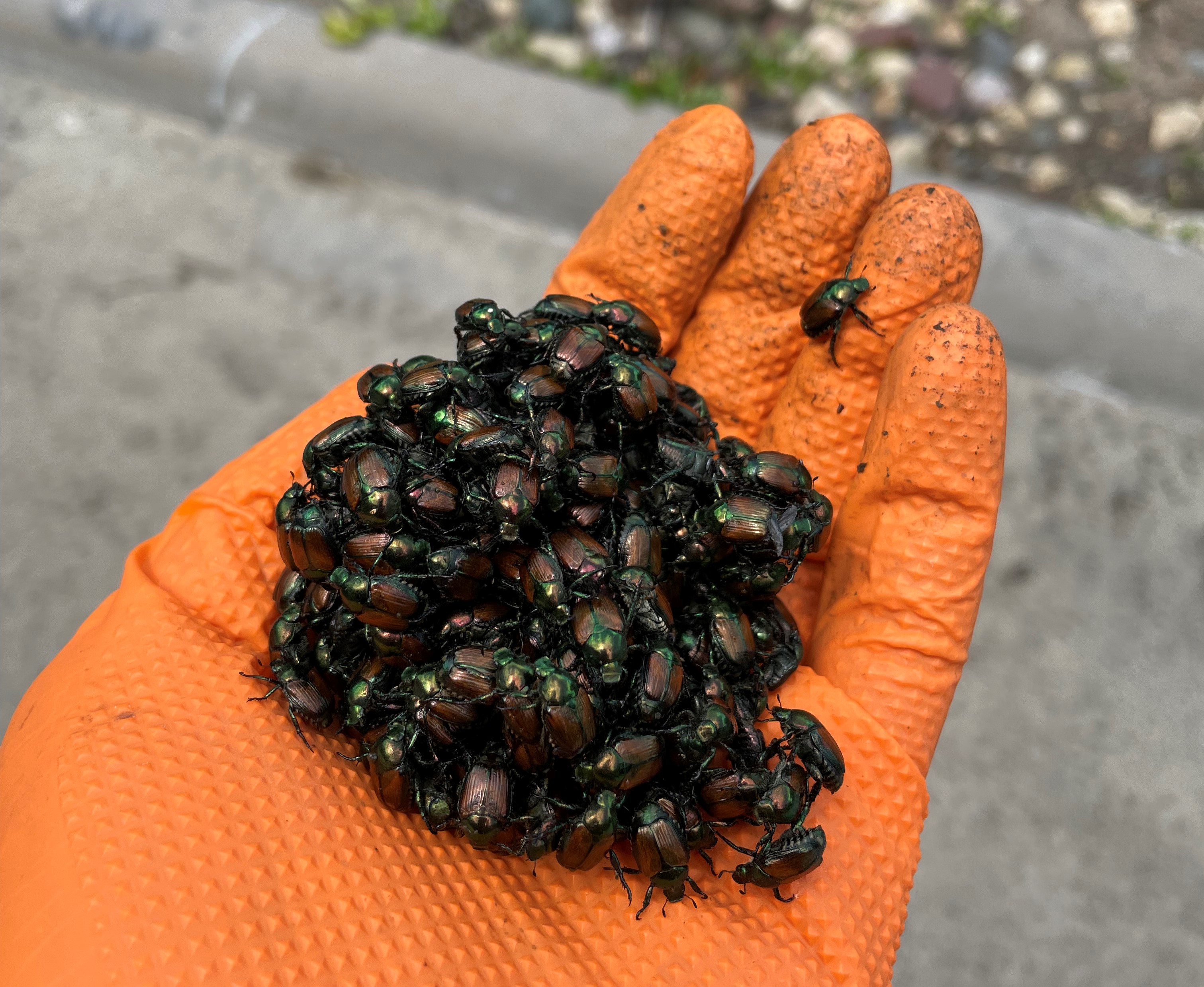
Japanese beetle project
The techniques used to collect, manipulate, and analyze data for the sampling of Japanese beetles and a parasite at the University of Minnesota.
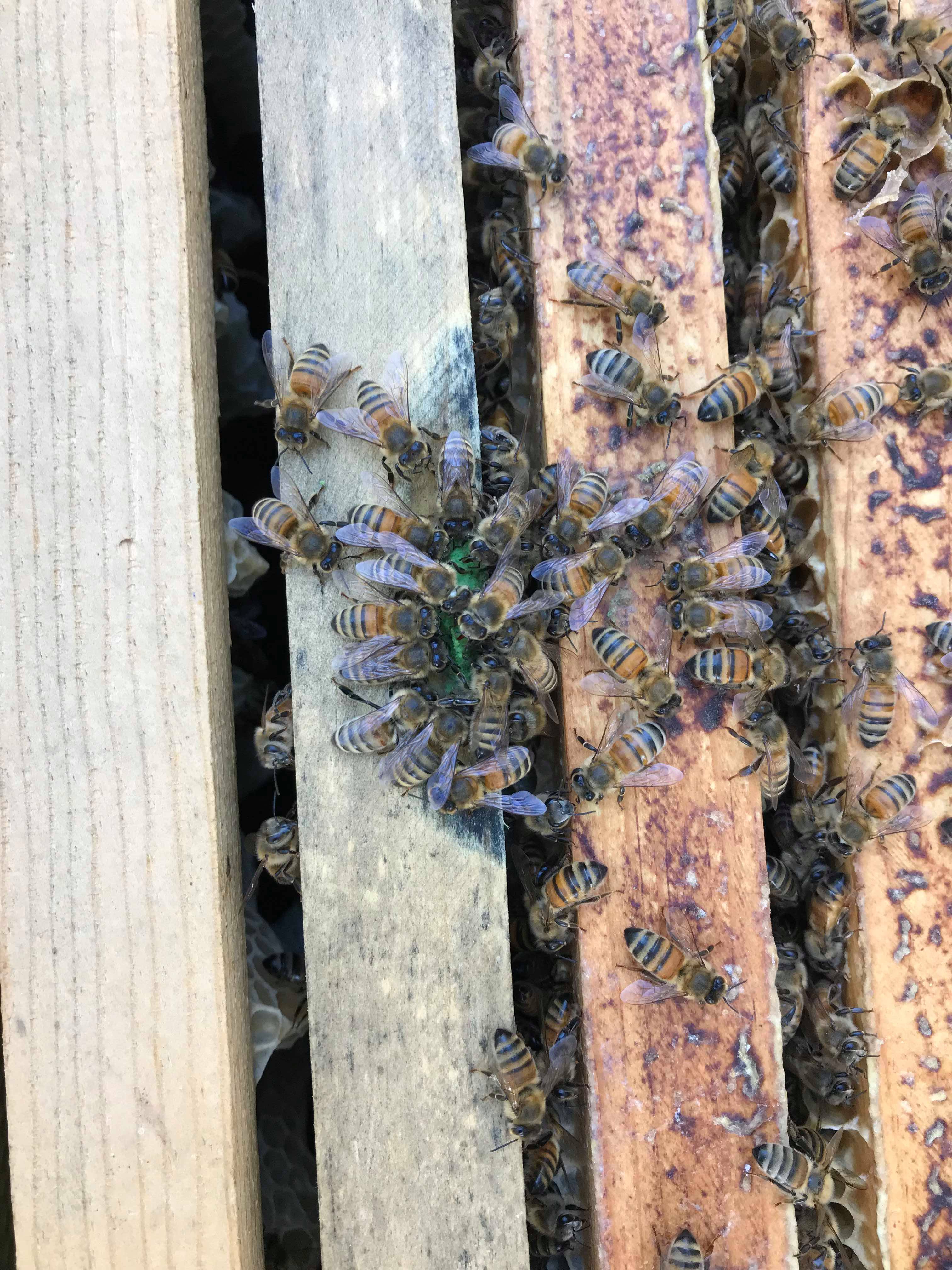
Honey bee age cohort
This experiment was conducted by Emily Noordyke and James D. Ellis at the University of Florida. Data were analyzed by Kaylin Klecker and Cody Prouty.
Featured publications
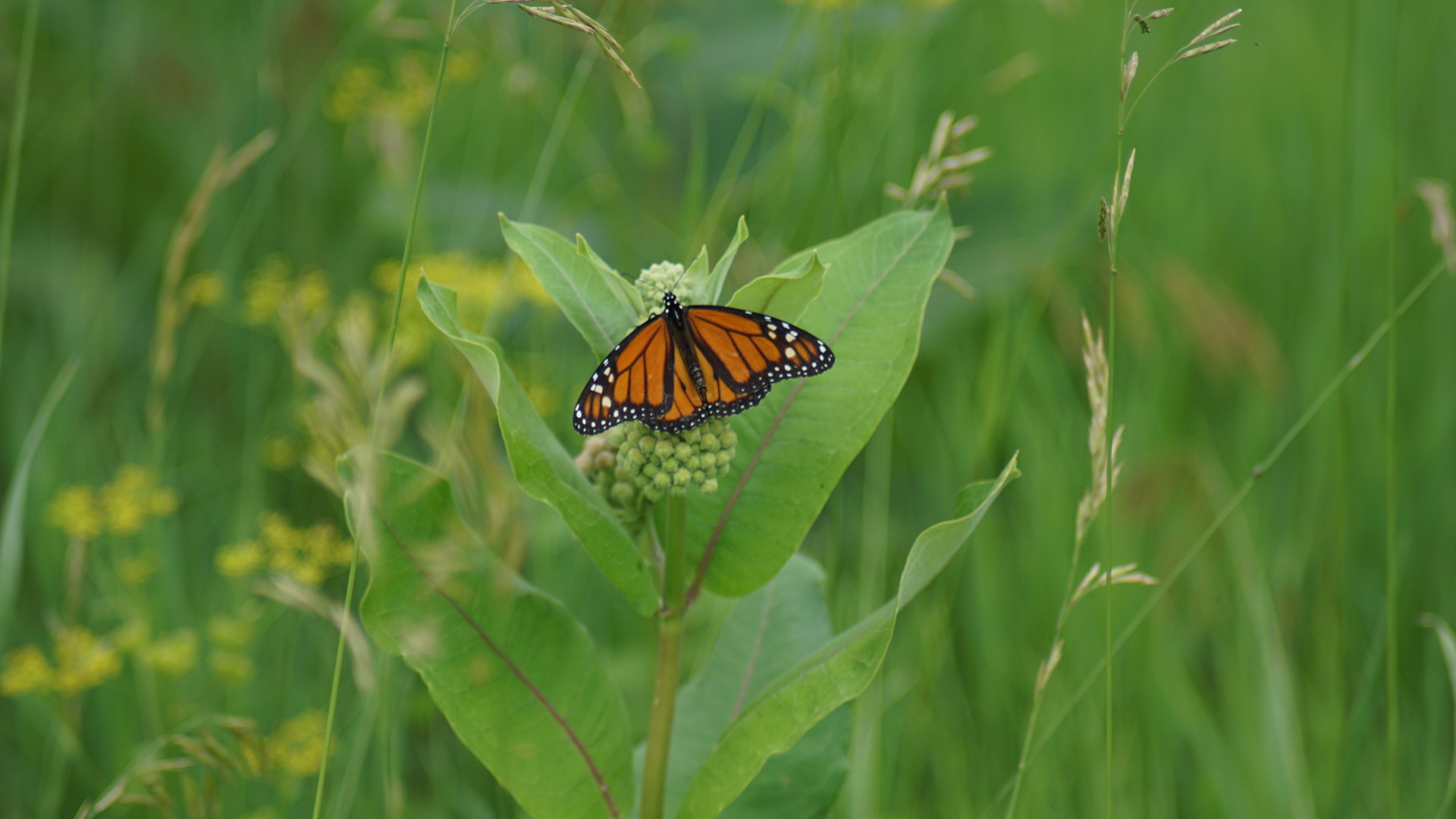
Adult monarch butterflies show high tolerance to neonicotinoid insecticides
April, 2023
Numerous studies have documented the negative effects of neonicotinoids on bees; it remains crucial to examine how neonicotinoids affect other non-target nectar-feeding insects, such as the monarch butterfly, Danaus plexippus. Wildflowers growing near agricultural areas can be contaminated with neonicotinoids that affect survival or cause sublethal changes to behaviours of nectar-feeding insects. Nectar residues of imidacloprid and clothianidin found in milkweeds and wildflowers adjacent to agricultural field range from 0 to 72.8 ng/mL. At field-relevant doses, two neonicotinoids (imidacloprid and clothianidin) were studied for their effects on adult monarch survival, reproduction, flight and behaviour. First, we fed adult monarchs artificial nectar solutions ranging from 15 to 386 ng/mL of imidacloprid and 19 to 531 ng/mL of clothianidin. Neonicotinoid ingestion slightly reduced monarch reproduction but had no significant effects on survival, weight change, or activity levels. Second, we fed monarchs higher clothianidin doses (909 and 4030 ng/mL), that exceed field-relevant levels by 22 and 99 times. These higher doses reduced monarch nectar consumption, survival, flight performance and reaction time in response to a drop test. Results show that adult monarchs tolerate field-relevant doses as high as 54 ng/mL for imidacloprid and 75 ng/mL for clothianidin, with minimal lethal or sub-lethal effects until much higher doses are supplied. We conclude that adult monarchs are more tolerant of ingested clothianidin and imidacloprid than indicated by previous research.
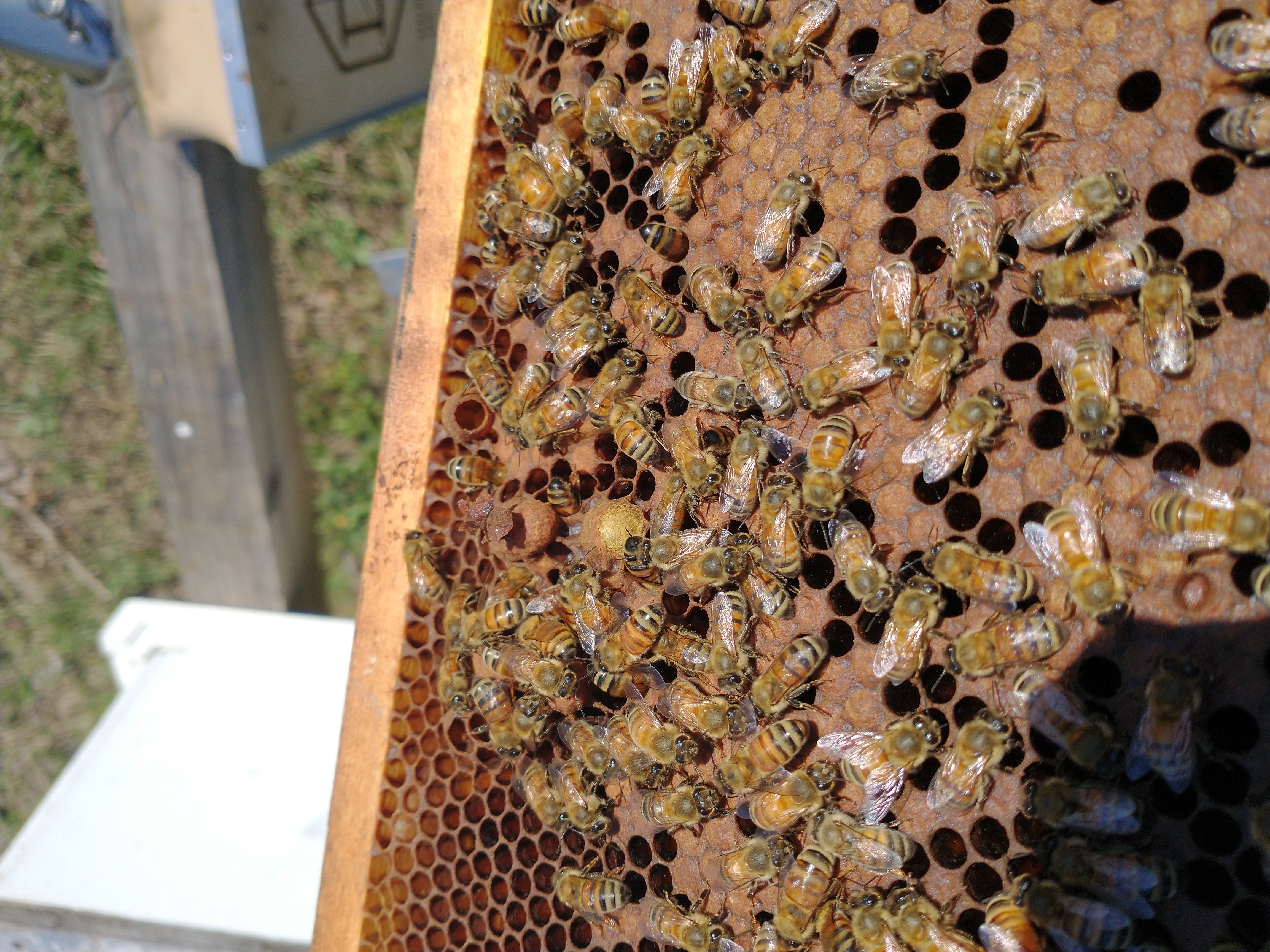
Evaluating the Efficacy of Common Treatments Used for Vairimorpha (Nosema) spp. Control
January, 2023
Vairimorpha (formerly Nosema) apis and V. ceranae are microsporidian pathogens that are of concern for managed honey bee colonies. Multiple treatments have been proposed to be effective in reducing the prevalence and intensity of Vairimorpha spp. infections. Here, we test the efficacy of these products in one lab-based experiment and three field experiments. In the lab experiment, we found no reductions in Vairimorpha spp. prevalence (proportion of individuals infected with Vairimorpha spp.) or intensity (number of Vairimorpha spp. spores per individual), but we did find a decrease in honey bee survival after treatment with Fumagilin-B, Honey-B-Healthy®, and Nozevit Plus. The first field experiment showed increased Vairimorpha spp. intensity in colonies treated with Fumagilin-B and HiveAlive® compared to a negative control (sucrose syrup alone). The second field experiment showed a weak reduction in Vairimorpha spp. intensity after 3 weeks post treatment with Fumagilin-B compared to Nozevit. However, Vairimorpha spp. intensity returned to levels comparable to those of other treatment groups after 5 weeks post treatment and remained similar to those of other groups for the duration of the experiment. The final field trial showed no positive or negative effects of treatment with Fumagilin-B or Nosevit on Vairimorpha spp. prevalence or intensity. These findings raise questions regarding the efficacy of the products currently being used by beekeepers to control Vairimorpha spp. We argue that the observed reduction of Vairimorpha spp. is more likely relevant to the phenology of spore prevalence and intensity in honey bee colonies than to chemical treatment.